Focus
Product Design · Information Architecture · B2B
Industry
Sports Tech
B2B Sports Tech Platform
End-to-End UX under NDA
Designing the UX foundation for a B2B SaaS platform used by professional sports scouts — from blank canvas to a structured, multi-device product system.
Challenge
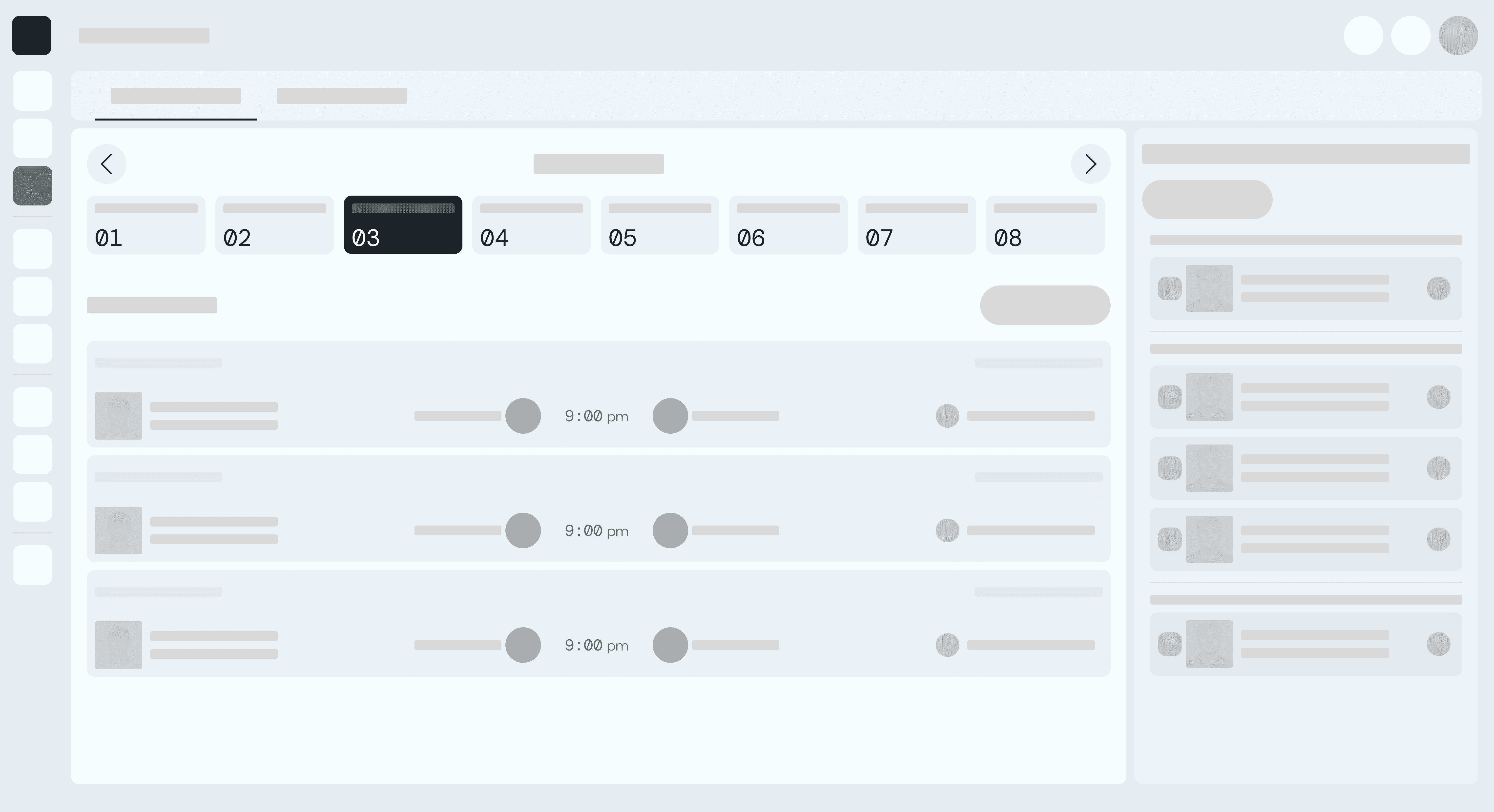
As the sole UX designer, I helped transform an early concept into a structured, scalable product — defining core user journeys, interaction models, and a unified UX foundation to support future growth across both desktop and mobile.
Context
The startup was building a platform for professional users working with complex data and time-sensitive decisions. Early development had prioritised feature experimentation, but lacked an overarching UX structure — resulting in friction, inconsistency, and no clear user journey from end to end.
Early-stage product with rapidly evolving requirements
High information density and expert users
No existing design system or end-to-end flows
Two surfaces to design for: a desktop-first B2B interface and a mobile version for field-specific features used by scouts on the go
My approach
From blank canvas to a coherent product system.
01 — Discovery: Interviews & User journey
I ran interviews with professional scouts to understand their current workflow and mental models. From those insights, I mapped a user journey to visualise the main pain points — making clear where the digital product needed to intervene and what it needed to solve.
02 — Define: Brainstorming & Information Architecture
In collaborative sessions with product and engineering, I facilitated brainstorming workshops to align on priorities and surface assumptions early. From there I built the information architecture from scratch — structuring features, navigation, and content hierarchy to support a complex, data-dense B2B environment.

03 — Design: Sketches → Wireframes → Figma
I started every new flow with paper sketches to explore directions quickly before committing to screens. Sketching was a core part of the process — it kept decisions fast, cheap, and open to challenge. Wireframes were then built iteratively in Figma, progressively increasing fidelity as decisions were validated with the team.

Early flow sketch mapping the search and filtering experience across two user types — Data Analyst and Head of Scouts.
04 — Connect: Bridging offline & digital workflows
The biggest design challenge was translating a workflow that was almost entirely offline into a digital product that matched how scouts actually think and move. This meant designing for low-connectivity environments, one-handed mobile use, and the cognitive load of making fast decisions with incomplete data.
Key constraints
Designing for a product that didn’t fully exist yet
The platform was still being defined, with features evolving rapidly and limited validation. This required designing flexible UX solutions that could adapt as the product matured.Fragmented user experience
Early versions of the product lacked a coherent journey, resulting in disconnected screens and unclear navigation.Balancing speed and structure
The team needed to move fast, while still building a system that wouldn’t collapse as complexity increased.
Outcome
Over nine months, I built the UX foundation from scratch, giving the product a coherent identity for the first time. A platform that had started as disconnected screens became a unified system, directly supporting the team's first client signing and initial market validation.
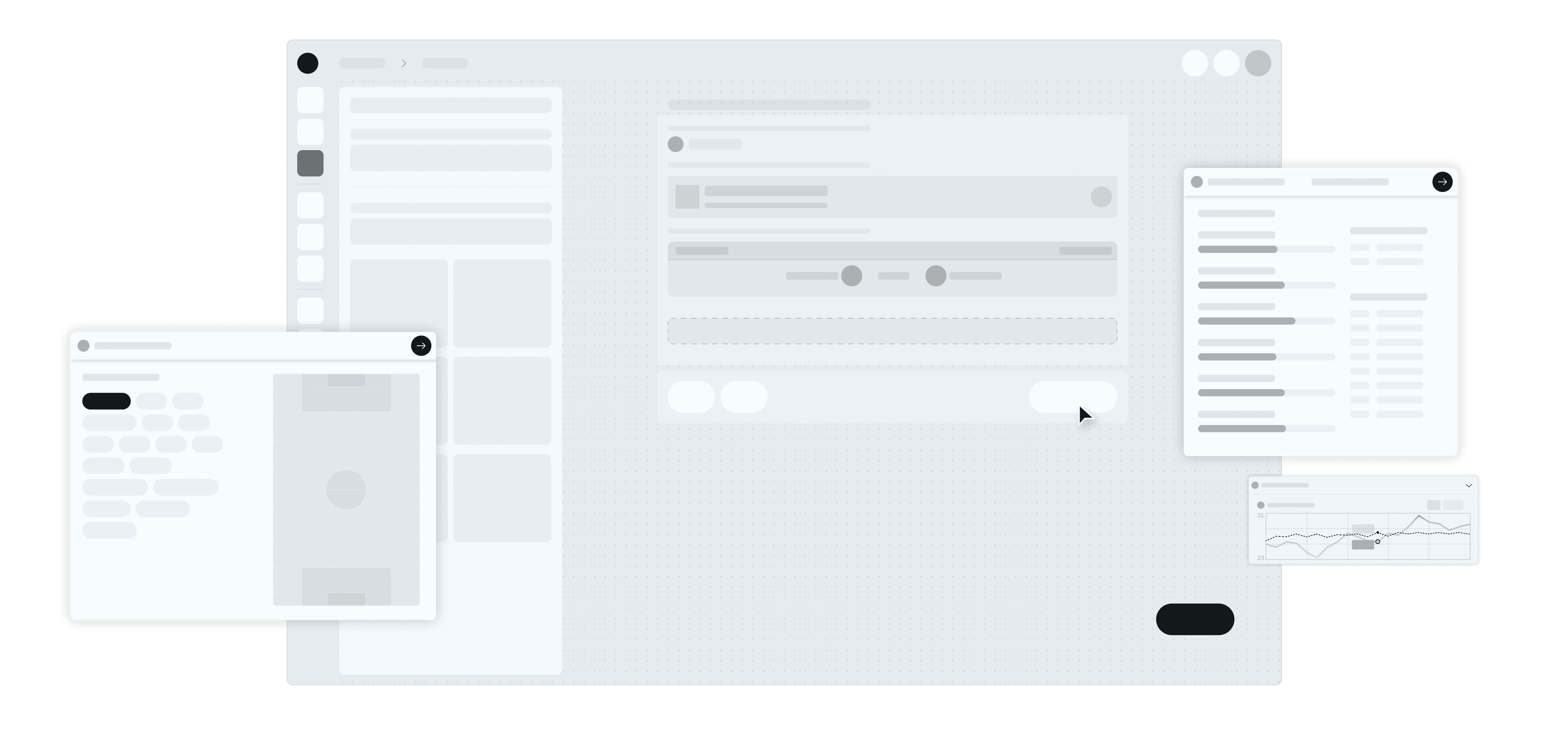
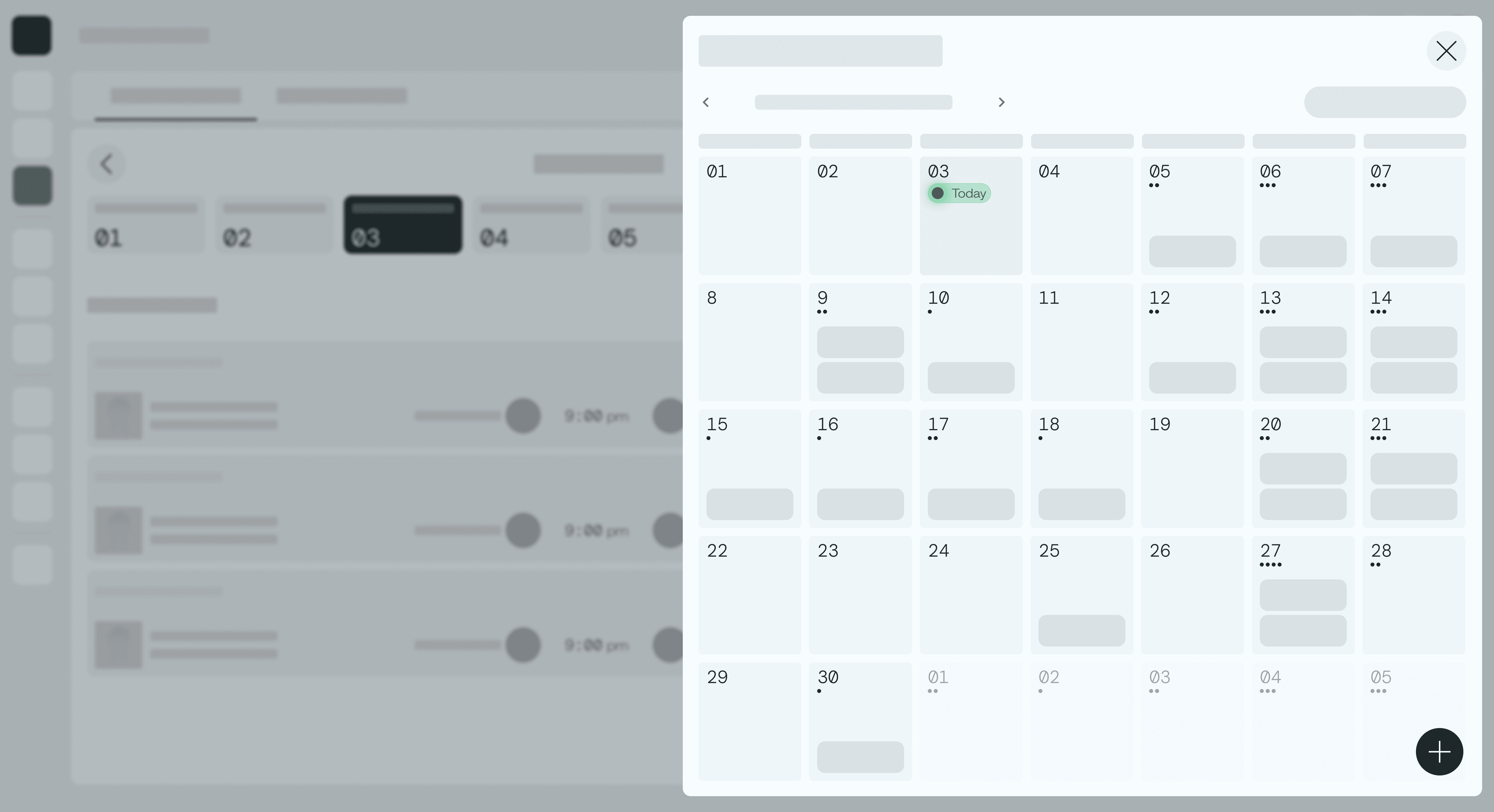
The platform includes a desktop-first interface for analysts and a mobile companion for scouts in the field — two surfaces, one coherent system.
If I did it again
I would introduce sketching sessions earlier and more visibly into the team's process. In a fast-moving startup, it's easy to jump straight to Figma — but the exploratory thinking that happens on paper is where the real design decisions get made. Making that phase more explicit would have helped align the team earlier and reduced the number of late-stage direction changes.